
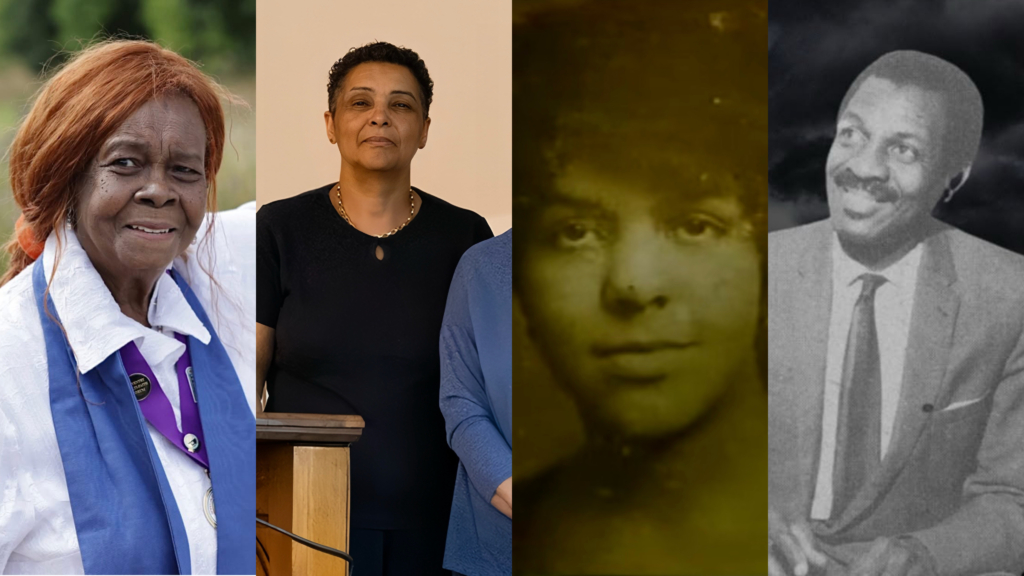
October is Black History Month, an annual celebration and recognition of the history, struggles, achievements and contributions of Black people across all walks of life.
In this powerful piece, the SNU’s new Ordinary Director, Helen Finister CSNU, calls on us all to recognise and remember some of the great Black pioneers of Spiritualism. But she also uses it as a powerful moment to discuss Equality, Diversity & Inclusion, and how it must not be confined to just a single calendar month or a single lead or person.
Remembering Our Pioneers, Recognising Our Future: Equality, Diversity and Inclusion in Spiritualism
As I assume my role as an Ordinary Director on the Spiritualists’ National Union’s (SNU) National Executive Committee, with responsibility for Equality, Diversity and Inclusion (EDI) and complaints, I am conscious of both the privilege and the responsibility that come with this position.
Spiritualism teaches us to recognise the dignity and worth of every individual. Our philosophy encourages us to question, learn and grow, while our understanding of the spiritual nature of humanity invites us to look beyond outward differences and recognise the person within.
These principles should be reflected not only in what we believe, but in how we behave, how we govern and how we welcome people into our churches and communities.
Equality, diversity and inclusion must not sit on the sidelines of the SNU’s work. They must be part of everything we do – and we must be honest that we have not yet reached that point.
As we mark Black History Month, we have an opportunity not only to celebrate the contributions of Black people to British Spiritualism, but also to recognise how easily their stories can be overlooked or forgotten. Achieving meaningful inclusion means more than recovering these histories. It means learning from the past, addressing the barriers that exist today and ensuring our churches, leadership, policies and practices reflect the diversity of the people who make up our movement and those who may wish to join it.
“As we mark Black History Month, we have an opportunity not only to celebrate the contributions of Black people to British Spiritualism, but also to recognise how easily their stories can be overlooked or forgotten.”
We must turn recognition into action: actively seek out and share overlooked histories, listen to the experiences of our members, challenge exclusion wherever we encounter it, and make equality, diversity and inclusion a consideration in every decision we take.
I encourage every church, every committee and every member to ask what more they can do to help make the SNU a place where everyone is welcomed, respected and able to belong – not just during Black History Month, but every day of the year.
Remembering Our Pioneers, Recognising Our Future
As we reflect on Spiritualism’s history, we must recognise those who helped shape British Spiritualism, including Black pioneers whose contributions deserve greater recognition. Through the SNU’s three core aspects – Religion, Philosophy and Science – with mediumship and healing connecting these traditions, we can honour those who helped build our movement and recognise the pioneers shaping its future.
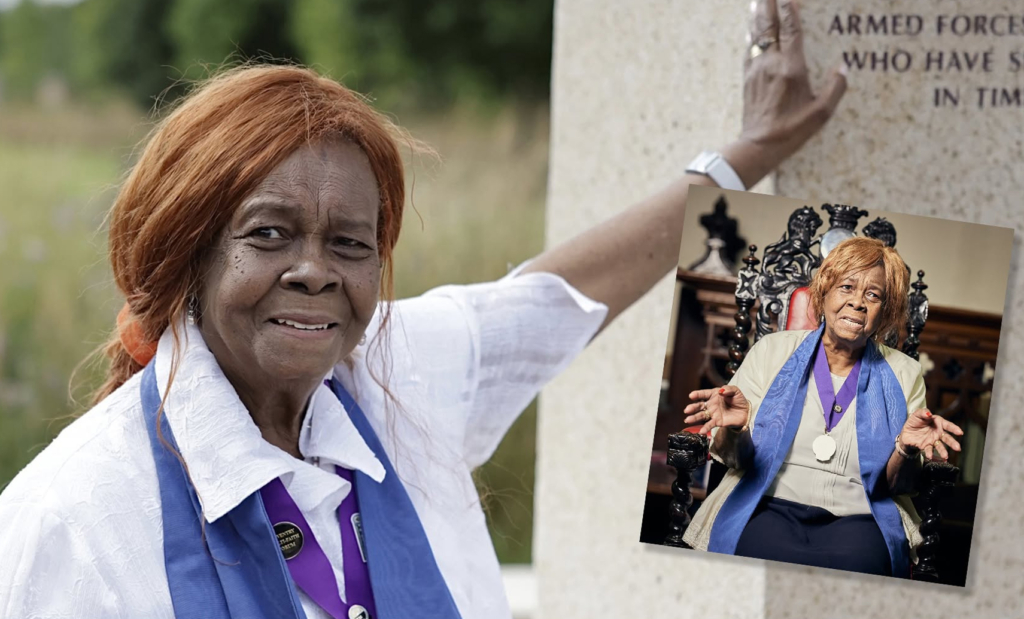
Minister Lynette Coulston.
Religion: Minister Lynette Coulston (1934–2025)
Minister Lynette Coulston was a Guyanese-born SNU minister and national almoner who made her home in the West Midlands in 1955. Before retiring, she worked as a secondary school teacher for 35 years. She also served as President of Eagle Street SNU Church in Coventry, was a director of Coventry Multi-Faith Forum and chaired Spiritualist Aid, the fundraising wing of the SNU Trust.
In 2021, she represented Spiritualism and was one of six Coventry citizens selected for ‘Symphony of Us’, a show commissioned as part of Coventry’s City of Culture programme, that received national and international attention and coverage.
Her contribution demonstrates how Spiritualism is sustained through ministry, community involvement and practical care for others. Remembering Lynette means recognising the lasting impact of a life devoted to service and the many ways people strengthen our movement beyond the public platform.
Philosophy: Paschal Beverly Randolph (1825–1875)
Paschal Beverly Randolph was a Black American physician, writer, trance medium and spiritual thinker whose work helped shape nineteenth-century Spiritualist and esoteric thought. He travelled in Europe, including England, and explored questions concerning spiritual development, the soul and communication with the spirit world.
Randolph also wrote about blending, which he understood as a form of spiritual identification with another soul. This offers an interesting point of comparison with the SNU’s modern understanding of blending in mediumship, although a direct historical connection between the two uses of the term has not been established.
His life invites us to explore the wider influences on Spiritualist philosophy and recognise the contribution of Black thinkers to discussions about spiritual experience and human potential.
Science: Henry Edward Lewis (c. 1818–1857)
Henry Edward Lewis was a Black lecturer and public demonstrator who toured Britain in the 1850s, presenting clairvoyance and other phenomena associated with the emerging Spiritualist movement. At a time when unusual perception and experiences associated with communication beyond the ordinary senses attracted public attention and debate, his demonstrations brought these phenomena before audiences and contributed to wider explorations of mediumship and spiritual experience.
His place in this history reminds us that Black practitioners helped shape public engagement with phenomena that would become central to Spiritualism, even when their contributions received less recognition.
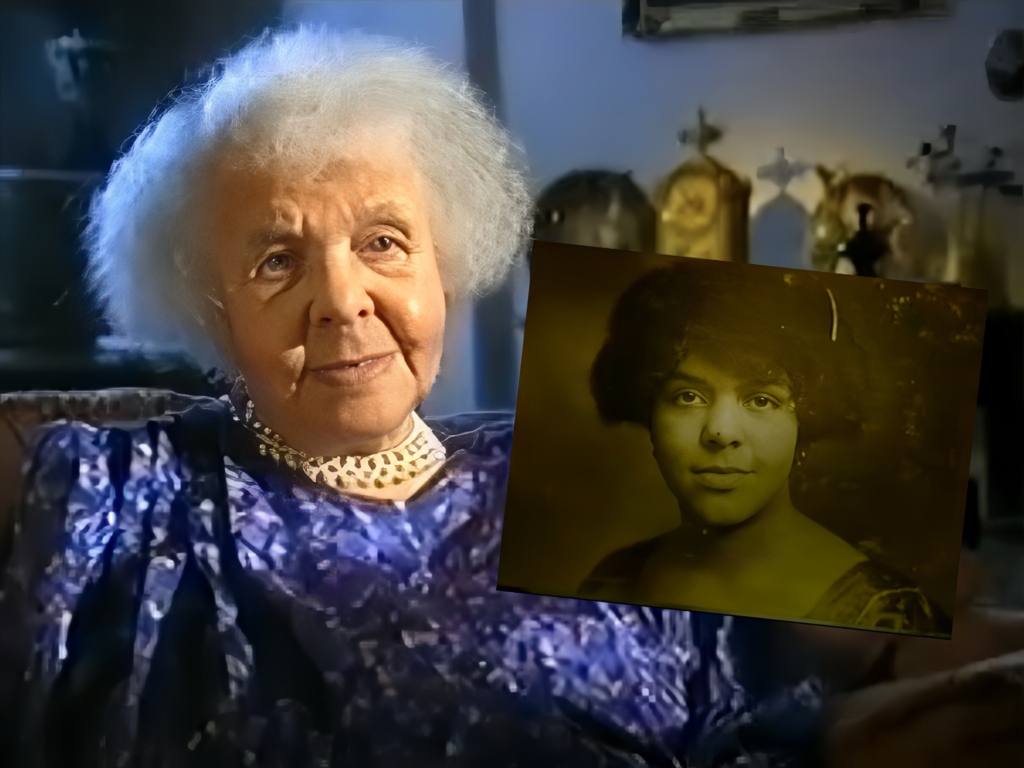
Tekla Lascelles Khan.
Mediumship: Tekla Lascelles Khan (1905–2005)
Tekla Lascelles Khan was a Black medium who served Spiritualist churches for many decades. In the 1940s, she was prosecuted under the Vagrancy Act 1824 for allegedly telling fortunes, despite displaying a notice stating, “We do not tell fortunes.” Initially sentenced to one month in prison, she was instead fined £10.
Her story highlights the legal challenges faced by Spiritualist mediums and the barriers they encountered in practising their work. Remembering Tekla means recognising both her contribution to mediumship and the difficulties she faced, ensuring that her story receives the recognition it deserves within British Spiritualist history.
Early Yorkshire Pioneers: Z. Foote
Z. Foote was a Black platform speaker and Spiritualist from West Africa who addressed meetings in Leeds and Halifax and was listed among speakers at Wakefield’s anniversary services in 1894. Contemporary reports in The Two Worlds document his contribution to Yorkshire Spiritualism, helping restore the visibility of a pioneer whose life deserves further research.
His story reminds us of the importance of preserving historical records and recognising those whose contributions may otherwise be overlooked. By bringing these accounts into wider circulation, we can develop a fuller understanding of the people who helped shape Spiritualism in Britain.
Healing: Karl Francis (1918–1996)
Karl Francis was a Spiritualist healer born in Guyana who later established the Acacia House Centre in West London with his wife, Betty, where he practised and taught spiritual healing. In 1965, he participated in the Whit Sunday healing demonstrations in Trafalgar Square alongside healer Tom Johanson.
His work reflected a commitment to healing, service and sharing knowledge with others. Karl’s life reminds us of the contribution Black healers have made to British Spiritualism and the importance of recognising those who helped sustain and develop spiritual healing within our movement.
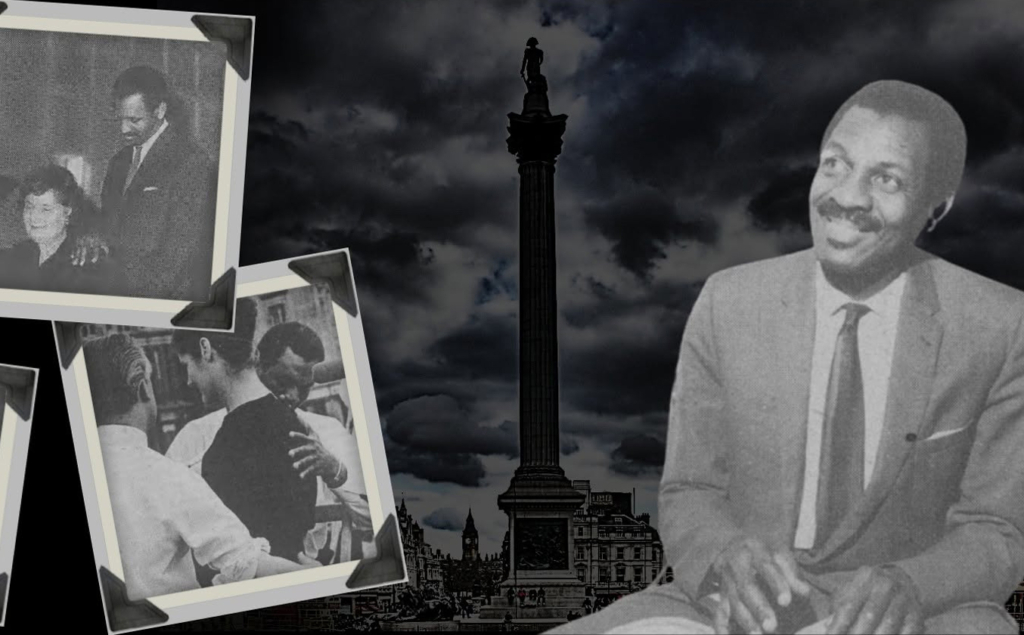
Karl Francis.
From Remembering to Taking Responsibility
Remembering our pioneers is not simply about looking backwards. It means asking whose stories have been preserved, whose contributions remain overlooked, and how we can ensure future generations see themselves reflected in our history.
We can be proud of our heritage while acknowledging that our understanding of it can grow, and our practices can improve. Recognising this is not a rejection of our history; it is a commitment to learning from it and ensuring our actions reflect the values we profess.
EDI must be more than a policy, a statement or an occasional event. It should inform our decision-making, leadership, training, communications, church life and the way we support members and visitors. It means considering who feels welcome, who has opportunities to participate, whose voices are heard and whether our practices treat people fairly.
Inclusion is not about lowering standards or abandoning our traditions. It is about ensuring that our traditions are lived in ways that uphold dignity, fairness and respect for everyone.
Welcoming the Pioneers of Today and Tomorrow
The pioneers of Spiritualism were people who explored, questioned, served and helped shape a developing movement. Today’s pioneers continue that work through their leadership, service, new perspectives and commitment to ensuring that Spiritualism continues to grow and remain relevant for future generations.
It is important that we recognise and celebrate those who are already blazing the trail. This includes Pauline Marshall, President of the Dorothy Hudson Centre; Sharon Palmer, Spiritualist healer; Lorine McDonald, Spiritualist medium; and Lorna J Hines, Spiritualist philosopher, medium, teacher and author. Their work reflects the breadth of Spiritualism and the many ways people contribute to its development and continuing life.
By celebrating their contributions, we help create a legacy for future generations and demonstrate that pioneering is not confined to the past. It continues wherever people share their gifts, challenge assumptions, support others and help our movement grow.
“Our commitment to EDI must be active and ongoing… It is a responsibility shared across our Union, from the NEC to individual churches and every member.”
We must welcome the pioneers of today and tomorrow by creating opportunities for people from different backgrounds to participate, lead, develop their gifts and feel that they belong. We must also listen when people tell us that their experiences of the SNU have not matched the welcome and respect we aspire to offer.
Our commitment to EDI must be active and ongoing. It requires reflection, honest conversations, learning and a willingness to make changes where needed. No single person or committee can achieve this alone. It is a responsibility shared across our Union, from the NEC to individual churches and every member.
The SNU’s three core aspects – Religion, Philosophy and Science – provide a strong foundation for this work. Our religion calls us to compassion and service. Our philosophy encourages reflection and personal development. Our commitment to science invites us to investigate, question and learn. Through mediumship and healing, these aspects connect in practices that remain central to our identity.
A Challenge to Us All
Honouring our pioneers means more than remembering their names; it means learning from their lives and ensuring their contributions are recognised as part of our shared heritage. As we mark Black History Month, we must look beyond celebration and ask ourselves what we are prepared to change.
So, I challenge every member, every church and every committee: what will you do to make equality, diversity and inclusion a reality in the SNU?
Whose stories will you help bring to light?
Whose voice will you make space for?
What barriers will you challenge?
Do not leave this work solely to the NEC or our Union staff, to an EDI lead or to one month of the year. Each of us has a responsibility to act.
Let us measure our commitment not by the words we publish, but by the changes people experience.
Our past deserves to be remembered, our present demands action, and our future depends on what we do next.
by Helen Finister, Ordinary Director 3 (Equality, Diversity & Inclusion and Complaints) & Kyle Pedley, SNU Communications.
first published Thursday 22nd October 2026.
Queries & Accessibility options – Paper copies of this page are available on request. To receive a paper copy, or if you have any questions, or would like to discuss accessibility needs or other requirements, please contact SNU Head Office via email at snu@snu.org.uk or telephone on 01279 816363.
If you have any questions or concerns regarding this post, please feel free to get in touch.